Asked Questions
What is a hearing assessment and what does it involve?
A hearing assessment takes place in a soundproof booth or room. You listen to a range of sounds through headphones and press a button each time you hear one. You may also listen to words or sentences so we can measure how clearly you understand speech, and the assessment includes speech-in-noise testing to understand how well you hear against background noise. The result shows your audiologist the level and type of hearing loss in each ear, which is what any recommendation is then built on. You can read more on our hearing tests and assessments page.
Is a hearing assessment painful or uncomfortable?
No. A hearing assessment is completely painless and non-invasive. Nothing enters your ear beyond a set of headphones, and there is no discomfort at any point. All you need to do is listen and respond. Many people find it the easiest health check they will have all year.
How much does a hearing assessment cost?
Our privately funded hearing assessments are $200, or $150 with a Medicare rebate (a Medicare rebate requires a referral from your GP, ENT specialist or neurologist). If you hold a Pension Concession Card, your hearing assessment is free. Veterans and NDIS participants are also generally covered, and we will check your eligibility before your appointment so there are no surprises. You can also take our free online hearing assessment first, which takes only a few minutes and helps you decide whether a full assessment is worth booking. If you would like to confirm any costs before booking, call us on 1300 30 20 31.
How long does a hearing assessment take?
An initial hearing assessment takes about 90 minutes. This gives us time to talk through your history, complete the assessment, explain your results on the day and discuss the next steps without rushing.
Do I need a GP referral to book a hearing assessment?
No. You can book a hearing assessment with us directly, without a referral. A referral is still worth having in some cases, because it may make you eligible for a Medicare rebate. Medicare and private health rebates may be available for some audiology services: If you have a referral from a GP, ENT specialist or neurologist dated within three months of your appointment, you may be eligible to claim a Medicare rebate of approximately $50 for a hearing assessment. A Medicare rebate of approximately $50 may also apply if your GP has included an audiology consultation in an Enhanced Primary Care Plan. For private health insurance, we recommend contacting your insurer before your appointment to confirm whether your policy includes benefits for hearing assessments, hearing aids or other audiology services. Eligible pension card holders may have their appointment costs covered through the Australian Government Hearing Services Program. Please note that wax removal and tinnitus management appointments are not covered under this program. If your GP or ENT specialist has referred you, we will report back to them so your care stays joined up. GPs and medical professionals can find our referral form on the make a referral page.
What funding options are available for hearing services?
Several, and most people qualify for more than they expect. The main pathways are: Hearing Services Program (HSP). The Australian Government program covers subsidised hearing assessments and hearing aids for eligible pensioners, veterans and their dependants, including a range of fully subsidised hearing aids and assistive listening devices. NDIS. We are a registered NDIS provider and support self-managed, plan-managed and NDIA-managed participants, including reports, quotes and documentation. Department of Veterans’ Affairs (DVA). For DVA Gold Card holders, and White Card holders where hearing loss is an accepted condition. Commonwealth Home Support Program (CHSP). Hearing support may form part of your care plan. Hearing Aid Bank. Run with the Geelong Community Foundation for Geelong Shire residents who are experiencing financial hardship and are not eligible for government subsidies. WorkSafe. We are a registered WorkSafe provider for hearing assessments and hearing rehabilitation.
Why does it matter that you are independent and not-for-profit?
Our independence gives us the freedom to recommend what is genuinely right for you. We are not owned by a multinational hearing aid manufacturer, and we are not limited to promoting a particular brand or product range. Our clinicians do not receive manufacturer commissions and are not required to meet hearing aid sales targets. This means our recommendations are based on your hearing needs, lifestyle, communication goals and budget, not on what we need to sell. We can compare options across a broad range of manufacturers and may also recommend that you do not need a hearing device at all. As a not-for-profit organisation, any surplus we generate is reinvested into services and programs that support people who are Deaf and hard of hearing. It is independent hearing care, delivered with purpose.
How do I know if I need a hearing aid?
Most people notice the effects of hearing loss long before they notice the hearing loss itself. Common signs include turning the television up louder than others prefer, struggling to follow conversation in cafes or restaurants while managing fine one-to-one, asking people to repeat themselves, or feeling drained after a day of listening. Hearing loss is usually gradual, which is exactly why it is easy to miss. A hearing assessment is the only way to know for certain, and the result may well be that you do not need a device at all.
How long do hearing aids last?
A well-maintained hearing aid typically has a working life of around four to six years. How long yours lasts depends on the style, how well it is cared for, and whether your hearing changes enough to need a different level of technology. Regular servicing makes a real difference. We provide hearing aid maintenance, servicing, adjustments and repairs, including batteries, so your devices keep performing as they should. Explore the options on our hearing aids and devices page.
Which hearing aid brands do you fit?
We fit, supply and service hearing aids from all leading manufacturers. As one of Victoria’s longest-established hearing care providers, we offer a broad range of options, from reliable entry-level devices to advanced technology featuring rechargeable batteries, Bluetooth streaming, automatic adjustment across different listening environments and discreet, near-invisible designs. Because we are fully independent and not aligned with any single manufacturer, our recommendations begin with your individual hearing needs, not a particular brand. We focus on finding the device that best addresses your listening challenges, lifestyle, preferences and budget.
Do you do hearing assessments for children?
Yes. We provide children’s hearing assessments from age six and upwards, available at all of our clinics. Each appointment includes a detailed case history and discussion with parents, hearing assessments tailored for school-aged children, an immediate explanation of the results, and clear guidance on the next steps, whether that is classroom support, hearing devices or a referral for medical care.
What can I do about tinnitus?
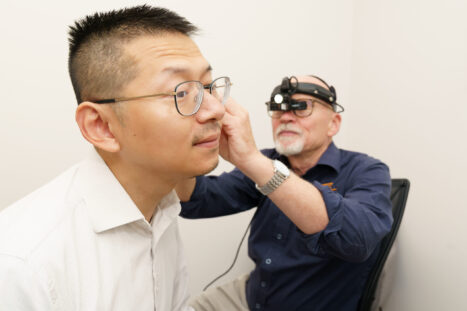
Tinnitus is the perception of a sound, often ringing, buzzing, hissing or whistling, with no external source. It is a symptom rather than a disease in itself, and it is frequently linked to hearing loss or noise exposure. Our tinnitus management is based on Tinnitus Retraining Therapy (TRT) and the neurophysiological model, and combines counselling, sound enrichment, relaxation and lifestyle strategies. The goal is habituation, meaning you become far less aware of the tinnitus and it loses its grip on your day. Management does not always remove the sound entirely, and progress is rarely a straight line, but it can substantially reduce the distress it causes. See our tinnitus management page for the full approach.
Can you remove ear wax?
Yes. We offer ear wax microsuction, which is considered the gold standard in wax removal. Unlike syringing, it uses no water, which makes it cleaner, safer and better suited to people with hearing aids, previous ear infections or sensitive ears. Your appointment includes a visual check of the ear canal, a clear explanation of the process in Auslan or spoken English, gentle microsuction performed by a qualified audiologist, and aftercare advice to help prevent future build-up. If you wear hearing aids, we can clean and service them at the same visit. Learn more about ear wax microsuction.
Do you offer Auslan-friendly and Deaf-aware appointments?
Yes, and this is at the core of who we are. All of our clinics are Auslan-friendly and interpreters are available on request. Every clinician has at minimum basic Auslan skills, and some are more fluent, so if you would like to request a specific clinician please tell us when you book. Our audiologists and support staff are trained in Deaf culture, identity and communication styles. You can also book your appointment in Auslan by recording a video through our videomail service instead of filling in a form. More detail is on our Deaf-friendly audiology services page.
Where are your clinics?
We have audiology clinics across Victoria. You can find every location, with full addresses and opening hours, on our audiology clinics page. We also visit clients in aged care facilities.
How do I book an appointment?
There are four ways to book, so you can choose whichever suits you: Book online through our online booking system, choosing your clinic, date and time. Record a video and book in Auslan, including your name and contact details. Call us on 1300 30 20 31. Send an SMS or FaceTime to 0402 217 586, or email audiology@expression.com.au. When you book with us, we check your eligibility for funding or rebates, explain your options clearly including what is fully covered and any upgrade costs, assist with paperwork and liaising with funding bodies, and support you long after the appointment itself.
Our Client Happy Say About Us
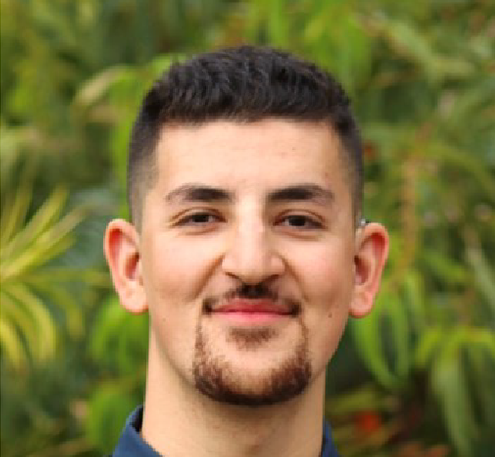
The hearing world is where most of my social and career lifestyle is based. But I enjoy the deaf community more as that is where the people around me cater to my needs and truly understand what I go through. The deaf community is where I feel like I truly belong.
I wish I had known growing up that being deaf and hard of hearing is okay! Embrace it and turn it into a positive. For example, I use my hearing loss as a strong point for my Audiology career, where I can empathise and connect with clients with hearing loss. I strongly advocate for Auslan classes in Primary and Secondary schools. Hearing people should be prepared in case they meet a deaf person in their life. Who knows, maybe a deaf individual will be your best friend or spouse!
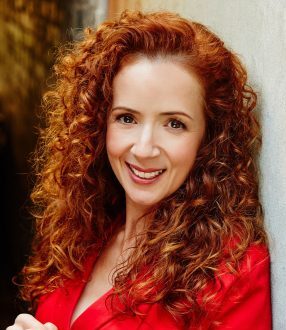
Yusuf Erbas
I wasn’t born into a Deaf family and I am late deaf, so I’ve had to find my own way. I’m grateful for my Deaf elders who have supported me in my journey.
The one thing I wish more people knew about hearing loss is that each journey is different. Every person deals with it differently.
We are so lucky to be living in this time right now where we have access to so much information and you can make the best choice that suits your needs.
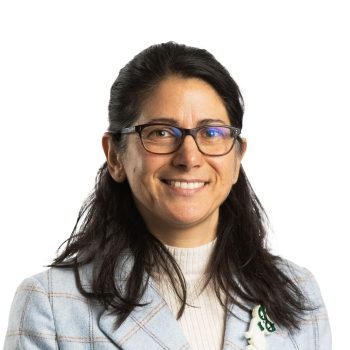
Dr. john Martin
Cancer Research
I first discovered I had issues with my hearing when I was 7 years old. I was given one analog hearing aid when I was 17 years old. I hated it so much. I wasn’t able to use it for anything so it lived in my drawer.
I had 3 major surgeries to try to rectify and reconstruct my inner ear. At the same time, I decided to start learning Auslan. I have no idea how stable my hearing will be so I love that I can communicate in Auslan. I just wish that everyone else was able to communicate back to me. My wish is that Auslan is taught in schools Australia wide so that there is a greater understanding of deafness and the accessibility gap becomes so much smaller.
Dr. john Martin
Cancer Research
About seven years ago, I became self-conscious at a dinner with colleagues because I couldn’t hear people at the end of the table and often asked them to repeat themselves.
I wear Oticon hearing aids, which have greatly improved my hearing. I adjust them with my phone, stream music, and am oral. Despite this, I still struggle to hear people who are not directly in front of me, especially in restaurants or when meeting someone new.
I have accepted my hearing loss and know that focusing on people and looking directly at them helps communication. I wear my hearing aids all the time except when swimming, and they are part of my daily routine.
Some people can be impatient, although this is not a major issue. Greater understanding would help. The high cost of hearing aids means many people who need them cannot afford them.
Meet Di Cummins
See Our Latest Blog
- Expression Audiology
- 0 Comments
New clinic partnership with Guide Dogs Victoria
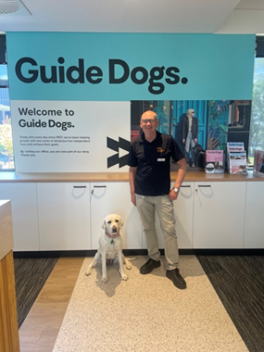
We are pleased to announce a new clinic partnership with Guide Dogs Victoria, supporting improved access to audiology services for people who are Blind, Low Vision, or DeafBlind. This collaboration reflects our shared commitment to accessible, community-focused care for people with lived experience of sensory loss. Senior Audiologist Matthew Grounds has commenced providing fortnightly Tuesday […]
- Expression Audiology
- 0 Comments
Tinnitus Awareness Week
Many people occasionally notice ringing, buzzing, or humming sounds in their ears. For some, this sound — known as tinnitus — can persist and become distracting or tiring. If this sounds familiar, please know you are not alone. With the right information and support, many people successfully manage tinnitus and continue living well. Tinnitus may […]
- Expression Audiology
- 0 Comments
Expression Audiology celebrates 50 years
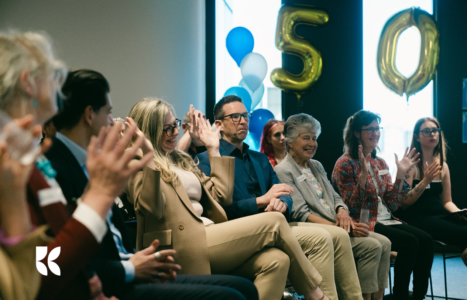
Expression Audiology marked a major milestone this October, celebrating 50 years of audiology services with a golden jubilee event at its Collingwood headquarters. Held on 15 October 2025, the celebration brought together past and present staff, family members, Expression Australia board representatives, and guests from across the hearing care sector. The event honoured the legacy […]
- Expression Audiology
- 0 Comments
Hearing Health & Risk Factors
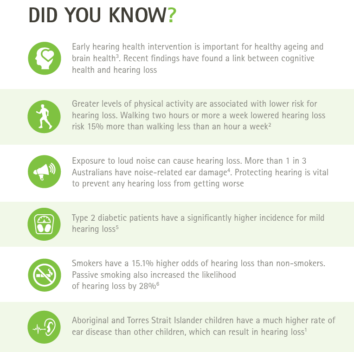
DID YOU KNOW? It is estimated that 3.6 million people in Australia have some level of hearing loss and more than 1.3 million people live with a hearing condition that could have been prevented. Most often, hearing loss is thought to be an inevitable part of the aging process, however, the following findings provide evidence […]
- Expression Audiology
- 0 Comments
Insights on culturally aware hearing care
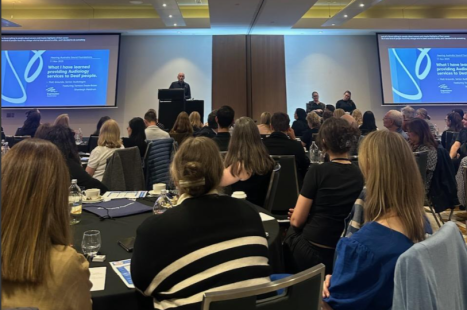
Expression Audiology were commissioned to present to a group of nearly 200 Specialist Audiologists on the importance of delivering culturally aware and inclusive services for Deaf and Hard of Hearing people. The presentation featured Senior Audiologist Matthew Grounds alongside staff members who identify as part of the Deaf community, who shared lived experiences and professional […]